North Phoenix Neighborhood Housing Comparison Guide
April 2, 2026
April 2, 2026
Trying to choose between North Phoenix and Northwest Phoenix? You are not alone. Many buyers start with a broad search in the north Valley, then realize these areas can feel very different in home style, lot size, commute patterns, and price. If you want a clearer way to compare your options, this guide will help you understand where each area may fit your goals. Let’s dive in.
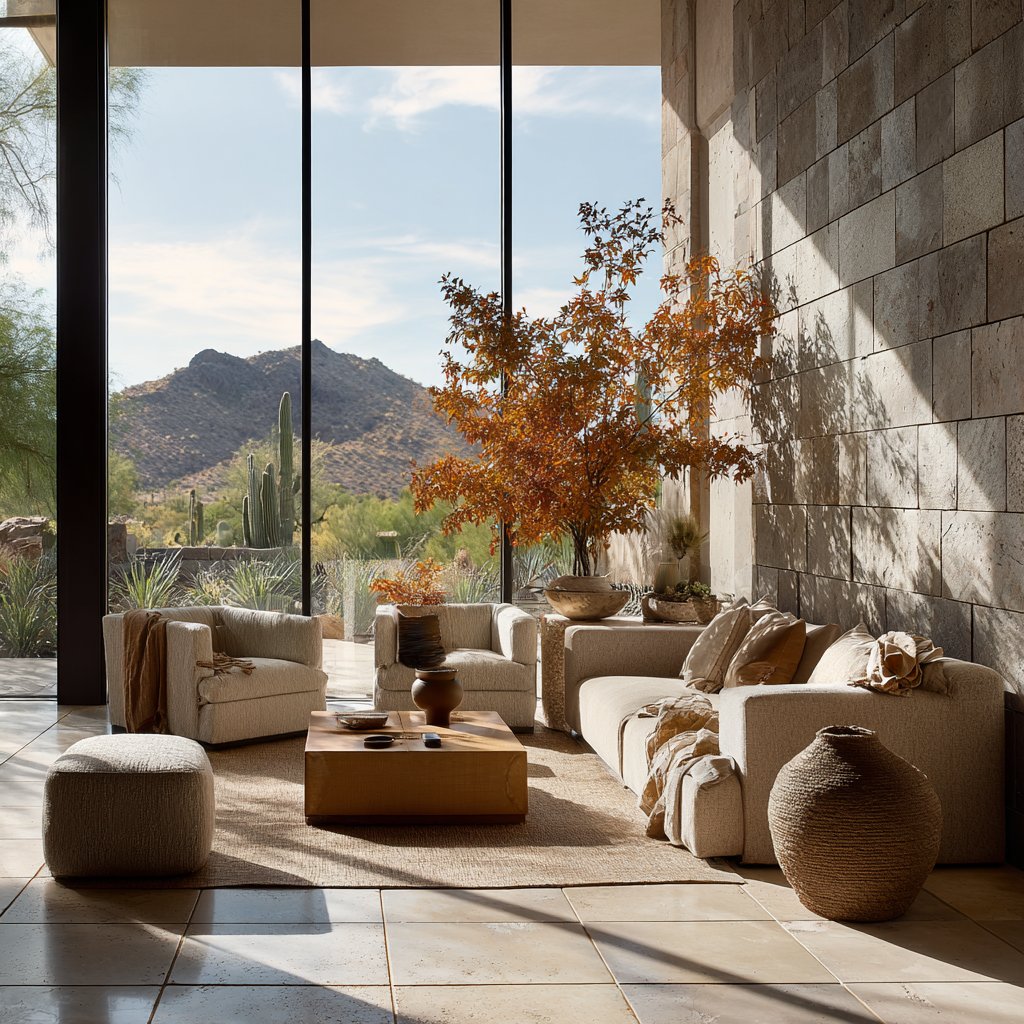
North Phoenix and Northwest Phoenix are best viewed as a range of neighborhoods, not two exact lines on a map. Based on Phoenix village planning documents, North Phoenix is often anchored by areas like North Mountain, while the far north and northwest side is often represented by North Gateway, which includes more master-planned growth and desert-edge development.
For you as a buyer, that matters because the experience can shift a lot from one pocket to the next. One area may offer older ranch-style homes on larger lots, while another may offer newer homes, HOA-managed neighborhoods, and easier access to outer-loop freeways.
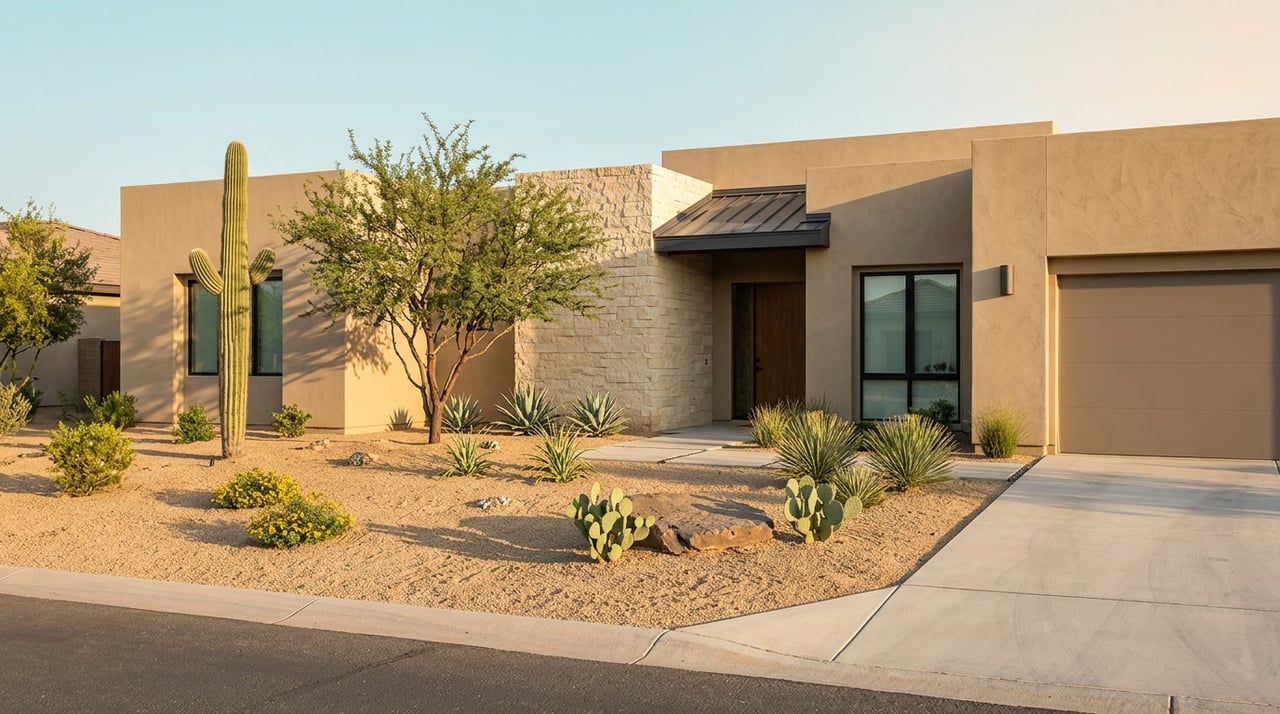
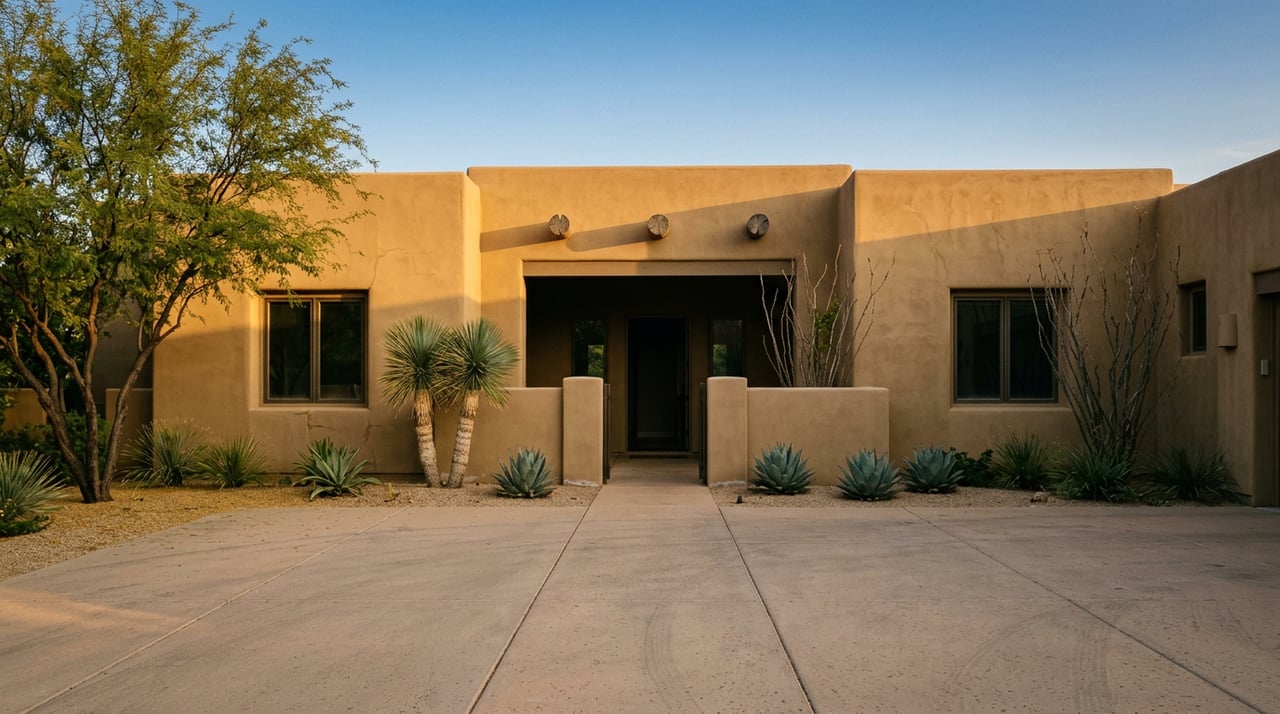
North Phoenix tends to offer more variety in housing stock. The North Mountain village plan describes a mix of large-lot, traditional-lot, and higher-density residential categories, which helps explain why you can find everything from older ranch homes to infill properties in this part of the city.
That variety is one reason many buyers like North Phoenix. If you want established streets, a broader mix of home ages, or a chance to find a property with renovation upside, this side of the comparison often gives you more to choose from.
Northwest Phoenix, especially in the North Gateway area, tends to lean newer and more master-planned. The North Gateway village plan highlights master-planned communities, diverse residential growth, and development patterns tied to the area’s expansion.
In practical terms, that can mean smaller low-maintenance lots in some neighborhoods, along with larger premium lots in others. Lot size is not automatic in either direction, so it is smart to compare by subdivision and street, not by broad label alone.
In North Phoenix, you may notice:
In Northwest Phoenix, you may notice:
One of the biggest mistakes buyers make is assuming all of North Phoenix is one price band. According to current market snapshots cited in the research, Phoenix citywide had a February 2026 median sale price of $462,250, while North Phoenix was at $505,000, North Gateway at $595,388, North Mountain at $363,000, and Desert Ridge at $644,990. You can see the broader Phoenix comparison on Redfin’s Phoenix market page.
The takeaway is simple: neither side is automatically cheaper. Some established North Phoenix pockets may come in near or below the city median, while newer or more amenity-rich areas in the far north and northwest can command a clear premium.
If you are shopping with a fixed budget, you may need to decide which trade-offs matter most:
This is where a detailed home search strategy matters. Broad area labels can be helpful, but your real buying power often comes down to the specific neighborhood, lot, condition, and monthly carrying costs.
If your daily routine involves travel across the Valley, location may matter just as much as the home itself. North Phoenix has a strong advantage for buyers who want access to the city’s central freeway grid.
The North Mountain village plan notes access to SR-51 and I-17, along with light rail connections to Downtown Phoenix. For many buyers, this makes North Phoenix a practical fit if you want easier connections toward central Phoenix or the SR-51 corridor.
Northwest Phoenix is more tied to the outer north-Valley growth pattern. The Arizona Department of Transportation reports that work is underway on the Loop 303 widening project between I-17 and 51st Avenue, including direct freeway-to-freeway ramps, and also identifies the Loop 101 widening project from I-17 to 75th Avenue as a major 2026 project.
For you, that may translate into a different kind of convenience. If you are comfortable living farther out in exchange for newer infrastructure and easier access to the I-17 and Loop 303 corridor, Northwest Phoenix may feel like the better match.
| Priority | North Phoenix | Northwest Phoenix |
|---|---|---|
| Access to SR-51 | Often stronger | Less central |
| Access to I-17 | Strong | Strong |
| Access to Loop 303 | More limited | Often stronger |
| Closer feel to central Phoenix | Often yes | Usually farther out |
| Outer-loop growth access | Moderate | Often stronger |
Daily errands and nearby amenities can shape how a neighborhood feels over time. North Phoenix has several strong retail anchors that many buyers already know by name.
Desert Ridge Marketplace says it offers more than 100 brands, restaurants, fitness options, and entertainment near Loop 101 and Tatum. The Shops at Norterra is another major north Phoenix hub, describing itself as a 350,000-square-foot open-air center with more than 40 destinations.
Northwest Phoenix also offers major retail access, though it can feel more spread out depending on where you live. Arrowhead Towne Center describes itself as a large West Valley shopping destination with more than 180 stores, and Norterra still serves many nearby northwest neighborhoods as an everyday retail option.
For many buyers, North Phoenix can feel more anchored by north-central retail nodes, while Northwest Phoenix may involve a more dispersed pattern of shopping tied to Happy Valley, Glendale, or other west-side corridors.
If hiking, open space, and desert views matter to you, both areas bring strong options. North Phoenix stands out for access to the Sonoran Preserve, which covers more than 9,600 acres and includes 36 miles of trails.
North Phoenix also offers trails at North Mountain, plus the ASU Deer Valley Petroglyph Preserve, which includes a self-guided quarter-mile trail and archaeological context. These options can appeal if you want outdoor access close to established neighborhoods.
Farther northwest, buyers often look to Thunderbird Conservation Park, a 1,185-acre preserve with about 15 miles of trails for hiking, biking, running, and horseback riding. So while the setting may feel different, outdoor access is a real strength in both directions.
The better choice usually comes down to how you want to live day to day. North Phoenix often fits buyers who want more neighborhood variety, a mix of older and newer homes, and easier access to central north-Phoenix corridors.
Northwest Phoenix often fits buyers who prefer newer master-planned communities, a more edge-of-city setting, and freeway access tied more closely to I-17 and Loop 303. Neither is universally better. The right fit depends on your budget, commute, home-style preferences, and how much value you place on lot size, age, and neighborhood structure.
If you are comparing these areas and want a more tailored strategy, working with a broker who can narrow the search by budget, commute, lot preference, and long-term goals can save you time and reduce guesswork. If you want a calm, detail-oriented approach to comparing North and Northwest Phoenix options, connect with Sheryl Smay for personalized guidance.
Stay up to date on the latest real estate trends.


I am committed to guiding you every step of the way—whether you're buying a home, selling a property, or securing a mortgage. Whatever your needs, I've got you covered.