A Guide to Cave Creek Outdoor and Equestrian Homes
May 7, 2026
May 7, 2026
If your ideal day includes sunrise trail time, wide-open desert views, and a town center with real local character, Cave Creek is worth a closer look. This is a place where outdoor living is not just a weekend plan. It is part of how many people move through daily life. If you are considering a move here, understanding both the appeal and the practical side can help you decide whether Cave Creek fits the way you want to live. Let’s dive in.
Cave Creek describes itself as a rural desert community with roots dating back to 1870 and incorporation in 1986. The town reports a 2025 population estimate of 5,238 and an elevation range from 1,804 to 3,924 feet. That setting helps shape the slower pace, open views, and distinct sense of place.
You can also see that identity in the town’s Old West character. Official town materials highlight its western appearance, local art galleries, boutique shopping, unique restaurants, and nightlife. For many buyers, that mix creates a lifestyle that feels more rustic and independent than much of the Phoenix metro, while still keeping you connected to the region.
One of the biggest draws in Cave Creek is how closely homes, trails, and open space are tied together. The town maintains a network of multi-use trails that connect neighborhoods with major outdoor destinations, including Cave Creek Regional Park, Spur Cross Ranch Conservation Area, Tonto National Forest, and Desert Foothills Land Trust properties.
That matters because outdoor access here often feels integrated into everyday life, not like a special trip you have to plan for. The town notes that many properties either abut trails or are crossed by them. Trail paths also run near shops and restaurants in the Town Core, which reinforces how closely recreation and local amenities are linked.
Cave Creek’s trail system is designed for hiking, biking, and horseback riding. That multi-use setup is part of what gives the town its active, outdoor-centered feel. It also reflects a community where horse culture remains visible in daily life.
The town also makes clear that motorized vehicles are prohibited on trails and in washes. For buyers who value quieter outdoor spaces, that is an important detail. It helps preserve the natural character of the trail network and supports a more peaceful experience on foot, bike, or horseback.
Cave Creek Regional Park is one of the area’s major outdoor anchors. Maricopa County describes the park as roughly 2,922 to 2,934 acres near town, with trail mileage reported at either 16 miles or more than 11 miles depending on the county page or update. The exact count may vary by source, but the key point is consistent: this is a substantial park with meaningful trail access.
County and town information both emphasize that the park supports multi-use recreation, horse access, and links to the Maricopa Trail and Tonto National Forest. If you are looking for a location where outdoor space feels close and usable, this park plays a major role in that lifestyle.
For many buyers, park access is more than a nice feature. It can shape your routines, from early morning rides to quick evening hikes. In Cave Creek, that kind of access is part of the town’s broader appeal.
If you are comparing communities, this is an important distinction. Cave Creek Regional Park is not a small neighborhood green space. It is a significant recreation hub that supports the town’s outdoor identity.
Spur Cross Ranch Conservation Area is another standout asset. The town identifies it as a 2,154-acre conservation area in northern Cave Creek with eight trails for hiking, biking, and horseback riding, plus a segment of the 315-mile Maricopa Trail.
For riders, the town notes that you can bring your own horse, and the trail system ranges from easy to difficult. That variety is useful whether you want a gentler outing or more of a challenge. It also adds to the sense that Cave Creek supports a broad range of outdoor routines and experience levels.
If horse property is on your radar, Cave Creek deserves serious attention. The town’s notice to prospective property owners explains that many residential areas are zoned Desert Rural, or DR, and that ranching plus the possession of horses or other livestock is a right for owners of at least two contiguous acres in a DR zone.
That same notice explains that DR zoning is intended to protect scenic vistas, natural habitats, hillsides, and washes. In other words, the zoning framework is closely tied to preserving the town’s rural desert character. For buyers who want space, views, and a horse-friendly setup, that can be a strong match.
Cave Creek’s zoning ordinance uses three residential categories:
In DR zones, private-ranch uses can include boarding, breeding, equine training, equine lessons, and the sale of ranch animals. The ordinance also allows related features such as barns, corrals, horse shades, and horse trailers in these areas.
The Single Residence zone is intended for one principal dwelling unit per lot. The Multiple Residence zone allows multiple dwelling units in appropriate areas. For buyers, that means Cave Creek offers more than one housing path, even though the town is often most associated with custom homes and desert-rural properties.
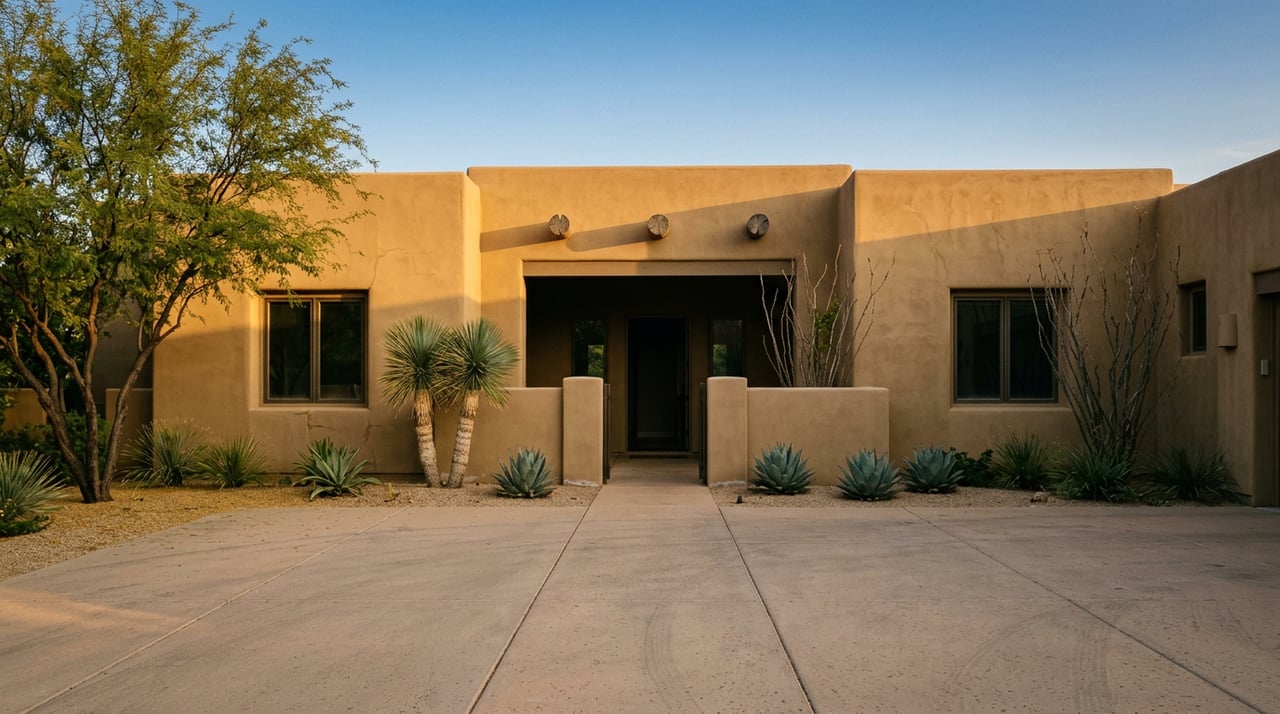
Based on the town’s zoning structure and property-owner guidance, Cave Creek generally leans toward custom desert-rural homes and horse properties, along with more traditional single-family homes and a smaller amount of multi-residential housing where allowed. That is a practical way to think about the market if you are starting your search.
This is helpful because it sets expectations. If you want a property with more land, trail proximity, or equestrian potential, Cave Creek may offer options that are harder to find in more urban parts of the Valley. If you prefer a standard single-family setup, those opportunities may still exist, but the town’s overall character remains more rural and land-oriented.
Outdoor-focused living in Cave Creek is not just about parks and trails. The Historic Town Core is also a meaningful part of the lifestyle. The town describes it as the backbone of the local tourism industry, and official community materials highlight boutique shopping, galleries, restaurants, and nightlife.
That matters because it creates a setting where you can spend part of the day outdoors and still have local places to eat, shop, and gather nearby. In Cave Creek, the western town atmosphere and the outdoor setting work together rather than feeling like separate parts of town.
Town directories show a strong mix of western-themed, arts-oriented, and locally focused businesses along Cave Creek Road. The shops-and-galleries listing includes businesses such as Watson’s Hat Shop, Rare Earth Gallery, Patina’s, and Red Truck Trading Company.
The dining and café listings show a wide mix of options as well, including Hansen’s Cowboy BBQ, Harold’s Cave Creek Corral, Hideaway Grill, Wagon Wheel, and Buffalo Chip Saloon and Steakhouse, along with coffee bars, bakeries, and casual dining spots. For buyers, this helps paint a fuller picture of everyday life beyond the property itself.
Cave Creek’s appeal comes with tradeoffs that are important to understand upfront. The town’s notice to prospective owners explains that life here differs from life in a larger city and that municipal services may be more limited. For the right buyer, that is part of the appeal, but it is still something to evaluate carefully.
Some areas do not have sewer service. Some properties may rely on private roads or wells. The town also notes that water rates may be higher and that roads are often rural and low-speed. These are not deal-breakers for many buyers, but they are part of the ownership experience.
The town encourages defensible-space reviews for fire safety, which is an important consideration in a rural desert environment. Maricopa County Parks also lists an annual fire ban from May 1 through September 30 on the Cave Creek Regional Park page. Together, those details make wildfire awareness part of everyday ownership planning.
For buyers coming from a more urban area, this is one of the biggest mindset shifts. Cave Creek offers more open land and a different pace, but that often comes with a more self-reliant approach to property care and preparedness.
The town also notes that dark skies are a community value and that restricted outdoor lighting helps preserve them. This may seem like a small detail at first, but it says a lot about the local environment.
If you are drawn to desert nights, quieter surroundings, and less urban glare, this can be a meaningful lifestyle benefit. It reinforces the low-light, open-sky character that many buyers are looking for when they consider Cave Creek.
Cave Creek can be a strong fit if you want open space, access to multi-use trails, horse-friendly property possibilities, and a western desert setting that feels more rural than most of the metro. It can also appeal if you value a town core with local character instead of a more conventional suburban feel.
At the same time, it helps to be comfortable with the practical side of rural-desert living. Things like well or road access, service levels, fire safety planning, and zoning details matter here. When you understand both the lifestyle and the logistics, you can make a more confident decision.
If you are exploring Cave Creek and want a clear, detail-focused approach to the process, Sheryl Smay can help you evaluate properties, compare options, and move forward with confidence.
Stay up to date on the latest real estate trends.
I am committed to guiding you every step of the way—whether you're buying a home, selling a property, or securing a mortgage. Whatever your needs, I've got you covered.