Key Considerations When Buying A Second Home In Carefree
April 23, 2026
April 23, 2026
Thinking about buying a second home in Carefree? It is easy to see the appeal. With Sonoran Desert scenery, mountain views, iconic saguaros, and the town’s small-town feel, Carefree offers the kind of setting many buyers want for seasonal living or a quieter retreat. But buying a second home here involves more than choosing a beautiful property. You also need to understand financing rules, tax treatment, HOA details, rental limits, insurance concerns, and how to care for a home when you are away. Let’s dive in.
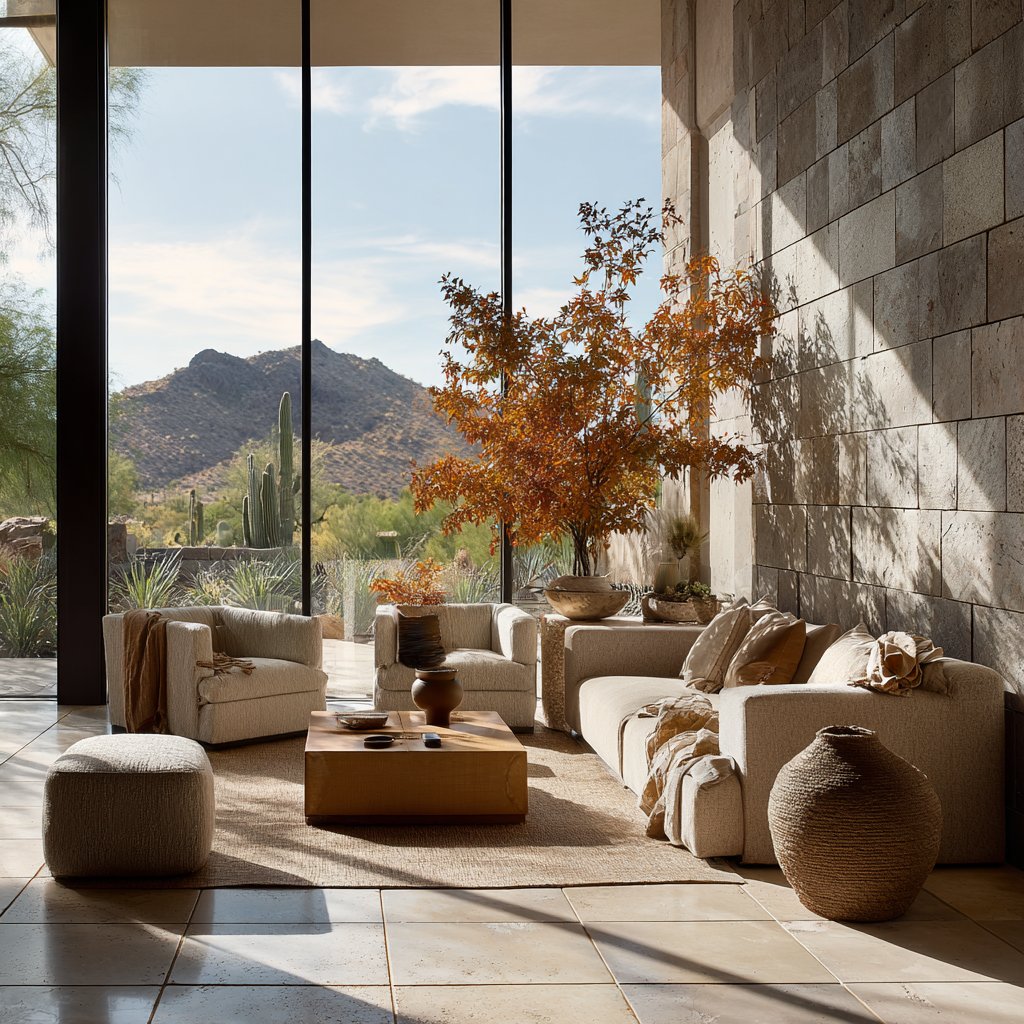
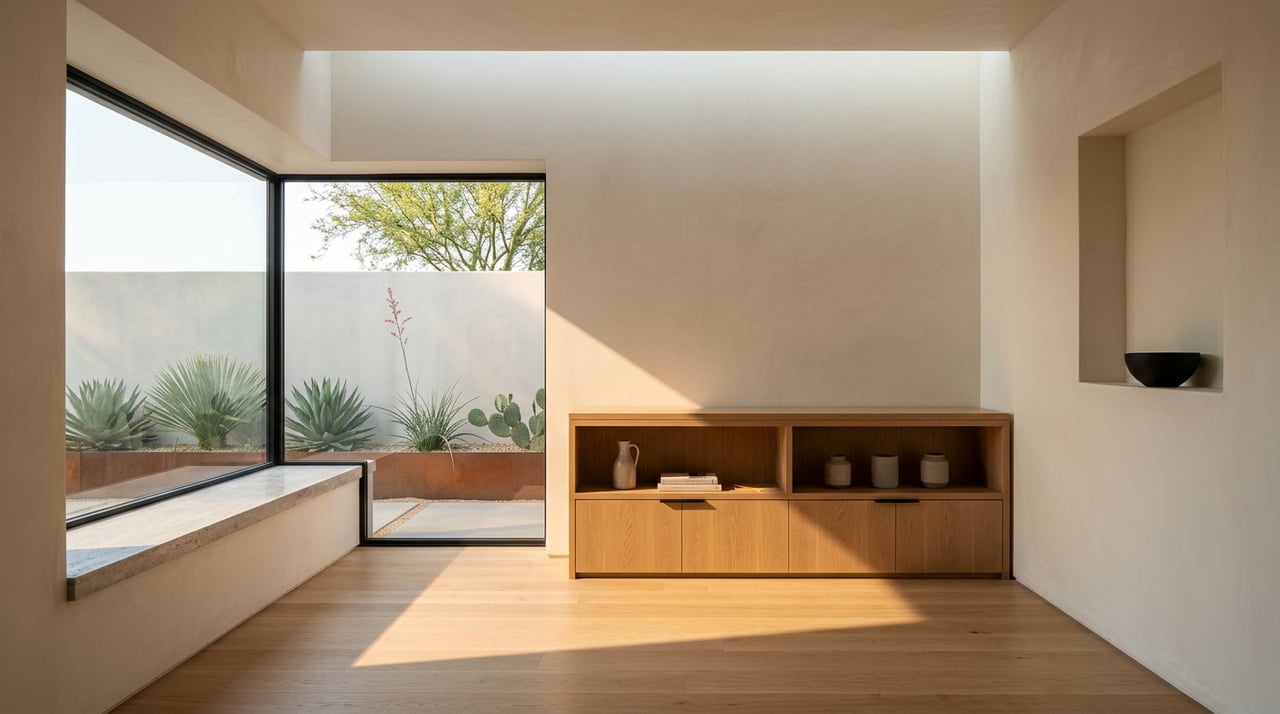
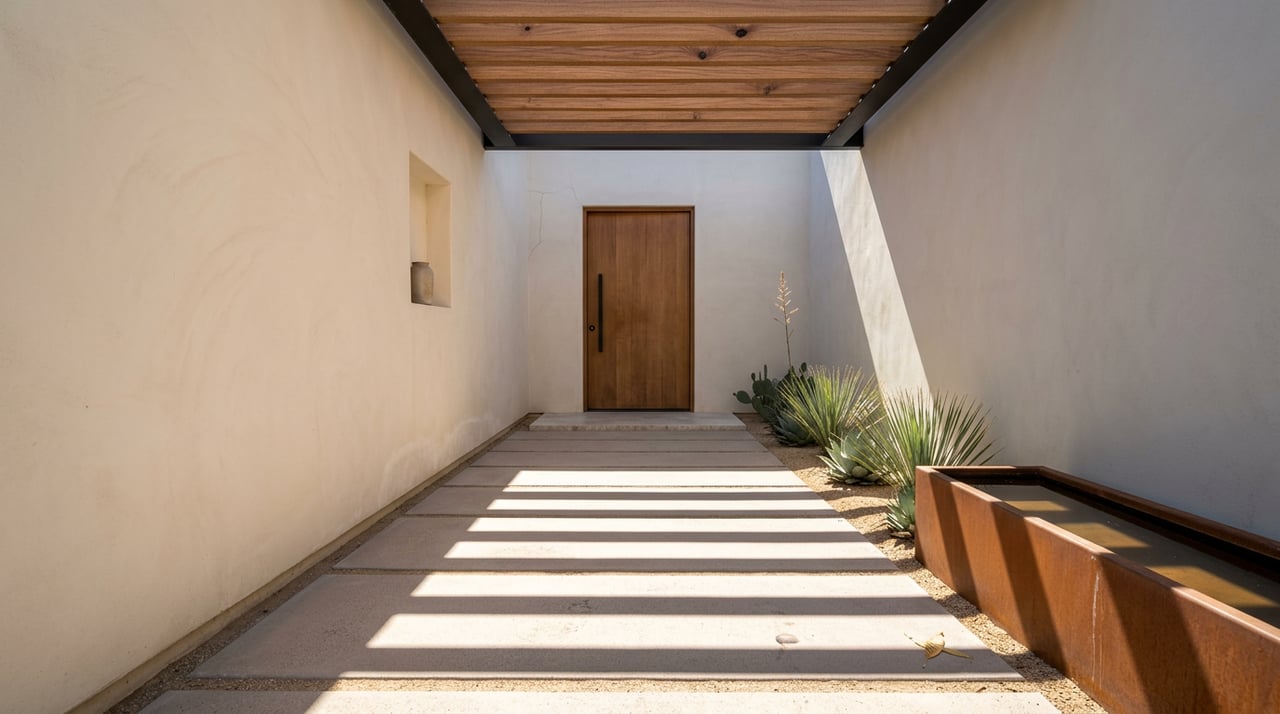
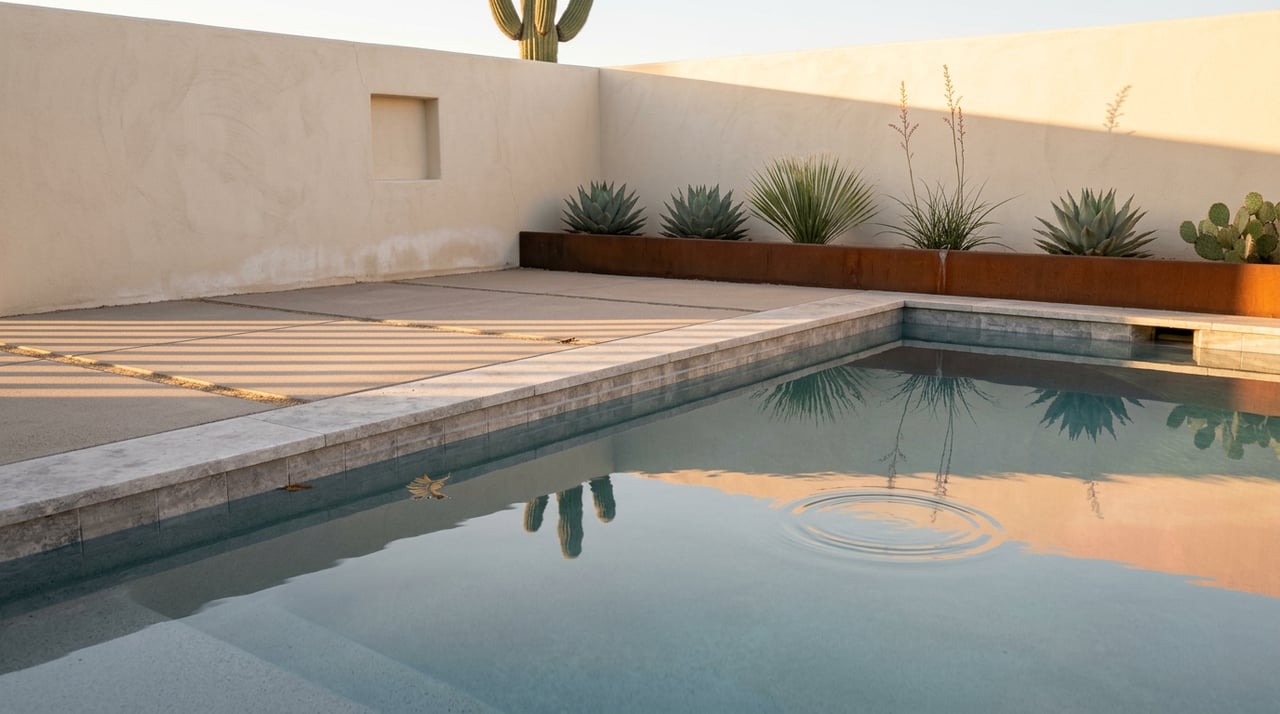
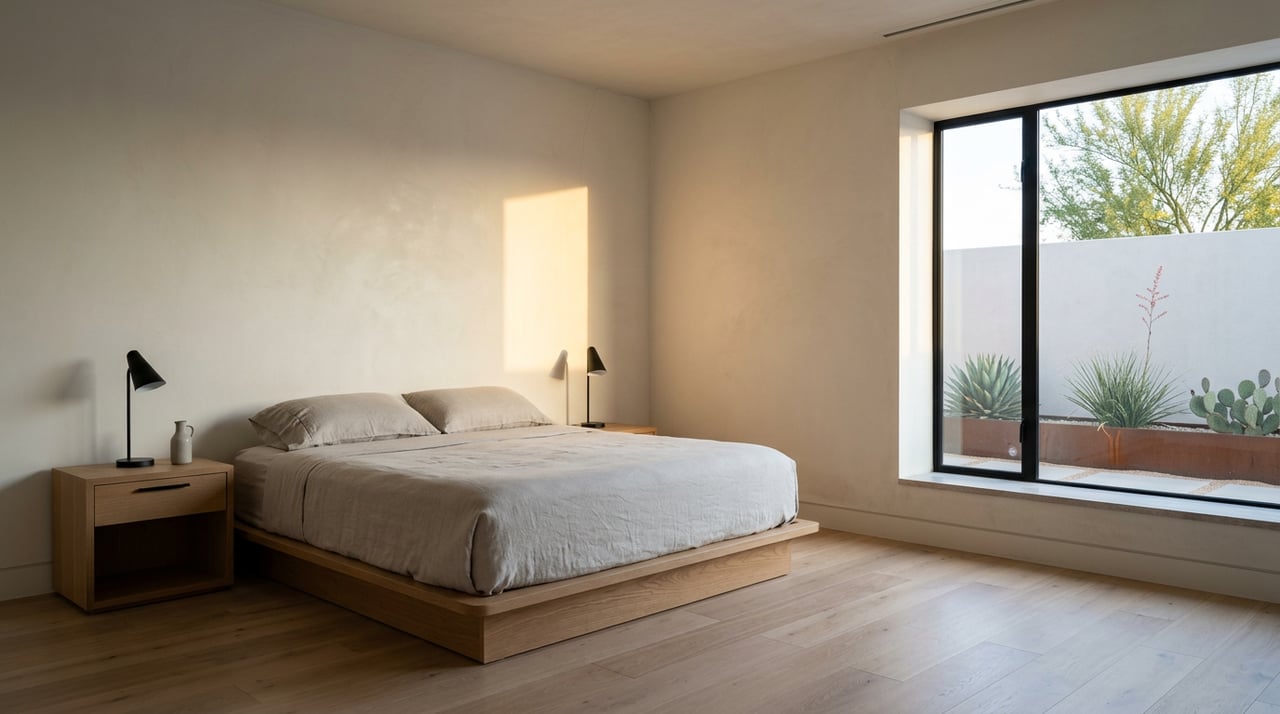
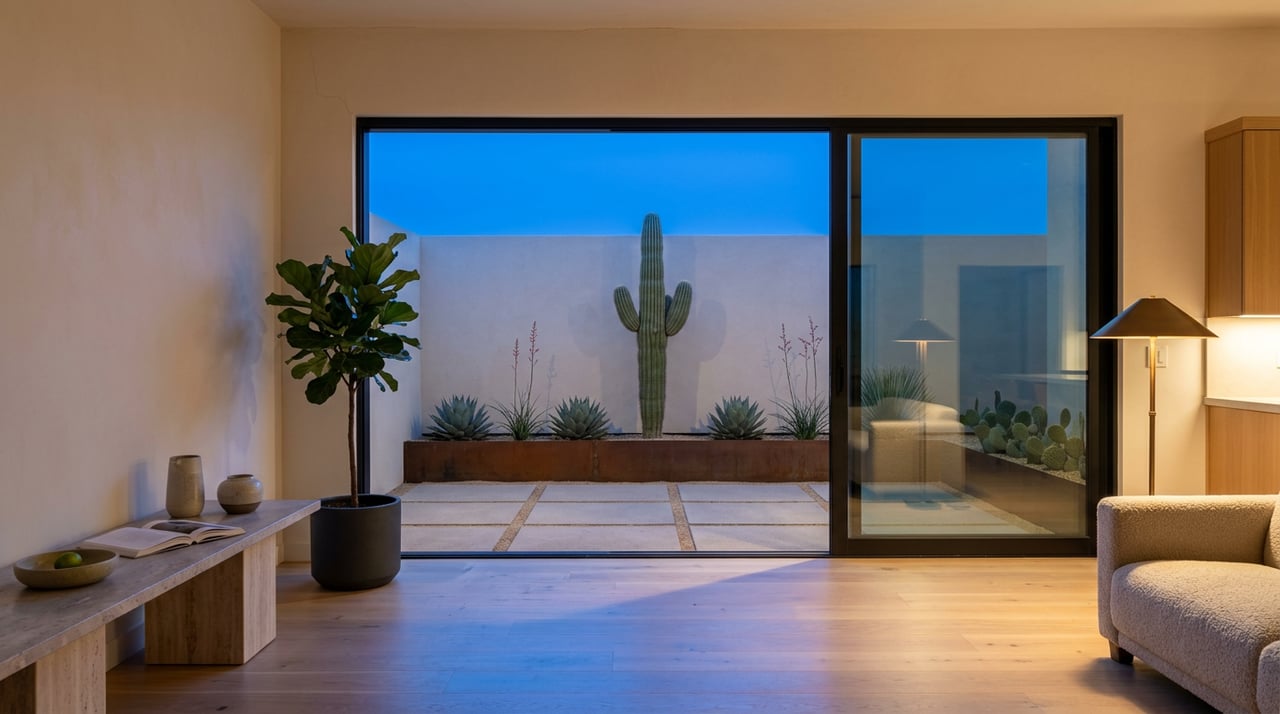
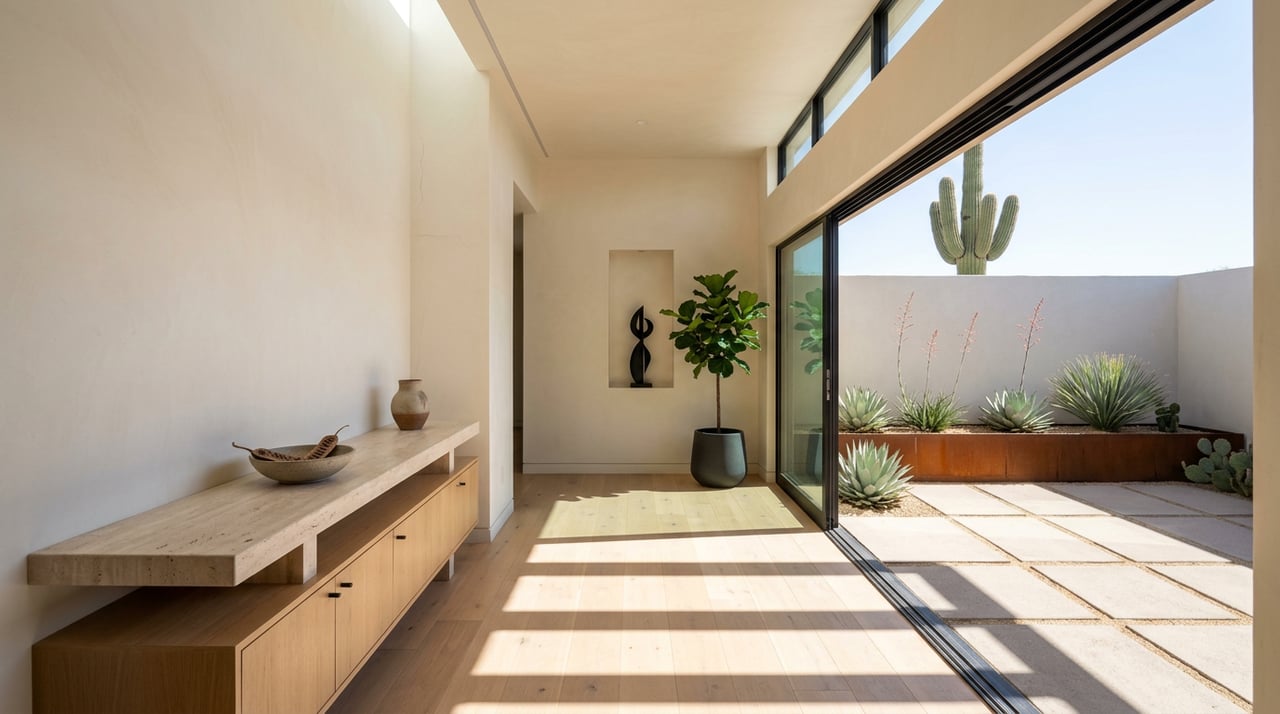
Carefree presents a lifestyle that feels distinct from more urban parts of the Valley. The town describes itself as a Sonoran Desert community with small-town charm, scenic views, and a Dark Sky designation, which helps explain why buyers are often drawn here for seasonal use, relaxation, and a slower pace.
That lifestyle appeal is only part of the story. In Carefree, owning a second home also means planning for desert conditions, weather patterns, and routine property care during periods when the home may sit empty.
One of the biggest surprises for buyers is that a second-home loan is not exactly the same as a primary-residence loan. Lenders often apply different standards because the property is not your main home.
Under Fannie Mae’s occupancy rules, a second home must be occupied by you for part of the year, suitable for year-round use, a one-unit dwelling, and under your exclusive control. It also cannot be a timeshare or a property classified as rental property for loan purposes.
That matters if you are considering occasional rental income. Fannie Mae notes that rental income identified on the property does not automatically prevent second-home treatment, as long as that income is not used to qualify and the property still meets the other second-home requirements.
Before you buy, it helps to understand that a second home is treated differently from a primary residence. According to the Maricopa County Assessor, a primary residence is your one main home where you live more than seven months each year. A vacation home or leased home does not qualify as a primary residence.
That distinction can affect property-tax treatment and eligibility for homeowner-related relief. In simple terms, you should not assume your Carefree second home will receive the same treatment as your full-time residence.
Mortgage interest rules can also vary based on how you use the property. IRS Publication 936 explains that mortgage interest may be deductible on a qualified second home, but if you rent the home for part of the year, your personal use may determine whether the property is treated as a second home or as rental property for tax purposes.
Because the details can change based on your use pattern, it is wise to review your plan with a tax professional before closing. That is especially true if you expect to split time between personal use and future rental activity.
A second home budget should go well past principal and interest. The Consumer Financial Protection Bureau reminds buyers that homeownership costs can include repairs, property taxes, homeowners insurance, and HOA dues.
For a seasonal home in Carefree, those costs may also include landscaping, property checks, drainage maintenance, and service visits during the months you are away. If your goal is a true lock-and-leave property, you will want to evaluate not just the price of the home, but the total cost of keeping it protected and maintained.
If the property is in an HOA, the resale disclosure package is one of your most important due diligence tools. Under Arizona HOA resale rules, associations must provide items such as governing documents, assessment information, insurance details, reserve information, the current operating budget, recent financial reports, any reserve study if available, and a summary of pending lawsuits.
For you as a buyer, these documents can answer practical questions fast:
This review matters even more if you want a lock-and-leave lifestyle. Some communities take on more exterior or common-area responsibilities than others, and those differences can directly affect your time, cost, and stress level as an owner.
The same Arizona statute also notes that unpaid assessments can lead to foreclosure action by the association. That makes HOA finances and dues history part of the purchase decision, not just a detail to glance over near closing.
Many buyers want flexibility. Even if you plan to use the home personally now, you may want the option to rent it later. That is why you should confirm both HOA rules and town requirements before you move forward.
Under Arizona law for planned communities, an owner may use the property as a rental unless the declaration prohibits it, and owners must comply with any rental time-period restrictions in the community documents. In other words, the answer often depends on the specific HOA paperwork.
In Carefree, local rental rules also matter. The town states that short-term and vacation rental owners must maintain an annual Town license for each property, along with any county and state requirements. The town also says long-term rentals of 30 or more consecutive days must be registered with the Town.
There is another important local detail for larger homes and casita-style properties. Carefree says the property must be rented as a whole, and accessory buildings may not be leased separately from the main residence. The town further states that guest houses cannot be rented separately from the principal residence.
If you are attracted to a property because it includes a detached guest space, this is a rule worth verifying early. It can affect how you plan to use the property in the future.
In Carefree, lock-and-leave living is not just about architecture or convenience. It is really a maintenance strategy.
The town’s wildfire prevention guidance says the area is highly vulnerable to wildfires and that brush fires can begin in backyards and desert landscaping. The same guidance for monsoon season encourages property owners to clean gutters and drains, remove dead trees near homes or power lines, and make sure water flows away from the property into nearby washes.
For a second-home owner, that means you need a clear plan for:
A beautiful desert property can require hands-on oversight, even if you are only in town part of the year. The more proactive your plan is, the fewer surprises you are likely to face.
Insurance is another area where second-home buyers should slow down and ask detailed questions. A property that sits empty for long periods may not fit the assumptions of a standard owner-occupied policy.
The National Association of Insurance Commissioners explains that many homeowners policies include vacancy clauses, and some may not pay claims if a home is vacant for 60 days or more. The NAIC also distinguishes between vacant and unoccupied properties and advises owners to ask their insurer how the home will be treated.
That conversation should happen before you close, not after the home sits empty through part of the year. You want to know whether your planned occupancy pattern, monitoring routine, and maintenance setup match the policy terms.
Before buying a second home in Carefree, make sure you can clearly answer these questions:
If you can answer those questions with confidence, you will be in a much stronger position to buy wisely and enjoy the property the way you intended.
Buying a second home in Carefree can be a smart lifestyle move when you pair the right property with thorough due diligence. If you want a calm, detail-oriented approach to evaluating homes, community rules, and ownership logistics in Carefree, connect with Sheryl Smay.
Stay up to date on the latest real estate trends.
I am committed to guiding you every step of the way—whether you're buying a home, selling a property, or securing a mortgage. Whatever your needs, I've got you covered.