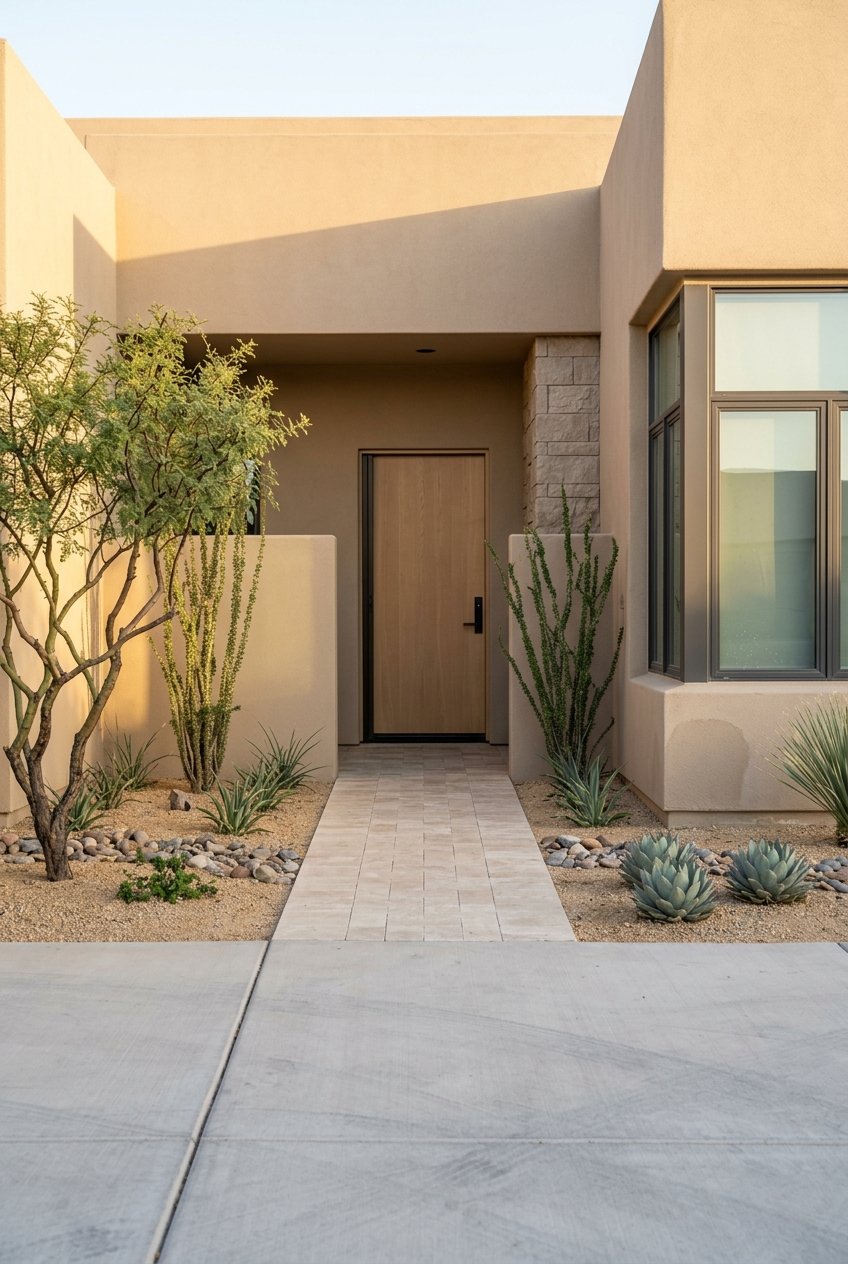
Inspection And Repair Planning For North Scottsdale Sellers
June 4, 2026
June 4, 2026
Selling in North Scottsdale can feel straightforward until the inspection period starts. That is often when small maintenance items, missing paperwork, or older systems turn into bigger negotiation points. If you plan ahead, you can reduce surprises, respond with confidence, and keep your sale on steadier ground. Let’s dive in.
In Arizona resale transactions, the home inspection usually happens after you accept an offer and before closing. The Arizona home-inspection board describes the inspection as a visual evaluation of visible systems and structure, which means buyers often use it to identify issues that may need more review.
That matters because inspection findings and seller disclosures are closely connected. Arizona guidance notes that the purchase contract includes inspection-related deadlines, and the seller’s disclosure duty still exists even if no SPDS is provided. For you as a seller, that means preparation is not just about repairs. It is also about records, timing, and clear communication.
North Scottsdale buyers tend to look closely at the systems and features that affect day-to-day function and future upkeep. Arizona inspection standards cover structural components, exterior, roofing, plumbing, heating and cooling, electrical, insulation and ventilation, interiors, fireplaces, and pools or spas.
In this area, some items tend to draw more attention because of local conditions and common property features. The goal is not to fix every cosmetic detail. It is to identify the items most likely to raise questions during escrow.
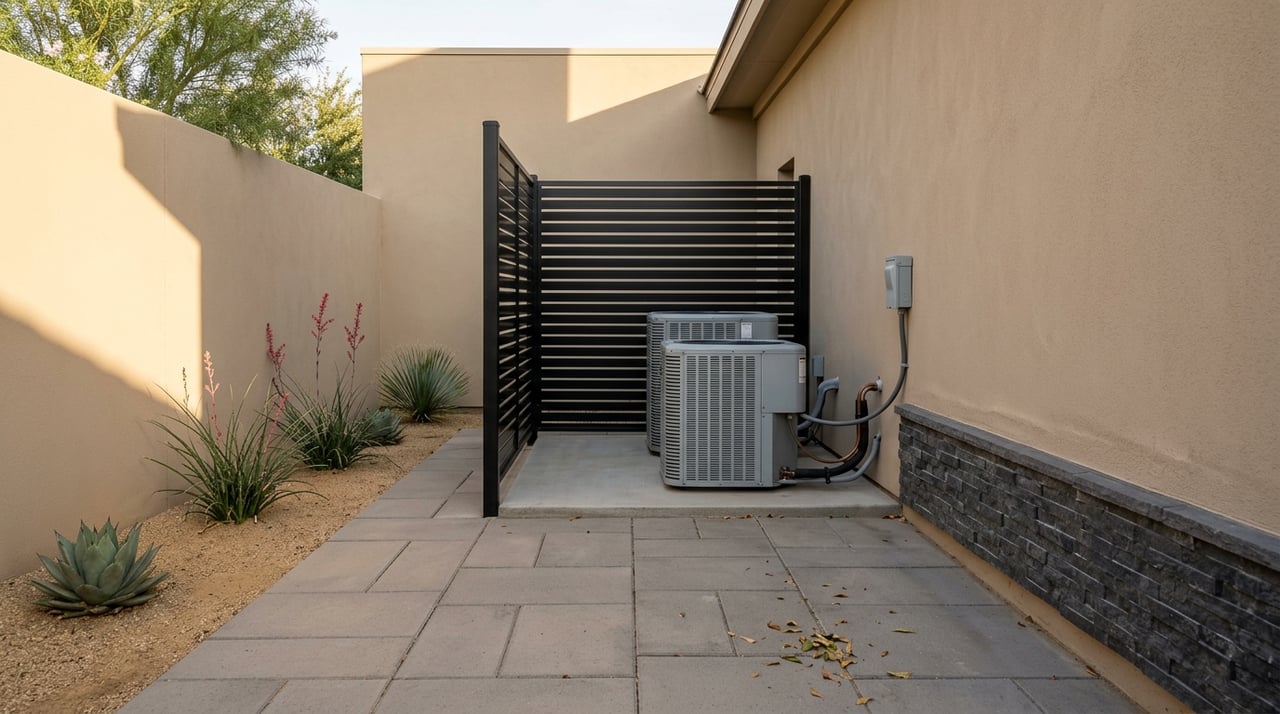
Scottsdale’s climate is extremely hot and dry for much of the summer. NOAA climate normals show mean daily maximum temperatures above 102°F in June, July, and August, which makes cooling performance a practical concern for buyers.
If your air conditioning struggles, short cycles, or has spotty maintenance records, expect questions. Service records, recent tune-ups, and clear notes on system age can help support buyer confidence.
The Arizona Department of Real Estate advises buyers that if a roof is 10 years old or older, a licensed roofing contractor inspection is highly recommended. That does not mean every older roof is a problem, but it does mean age alone can trigger extra scrutiny.
If your roof has had repairs, gather invoices and contractor information before listing. If there are active leaks or visible wear, those issues are often better addressed early rather than during negotiation.
Pools and spas are a major feature in many North Scottsdale properties, but they can also create inspection questions. ADRE notes that pool or spa equipment may need a separate specialist inspection because it may be excluded from the general home inspection.
If your home has a pool or spa, organize service records, equipment details, and any repair invoices in advance. A buyer who sees a clear maintenance history is often in a better position to evaluate the property without guessing.
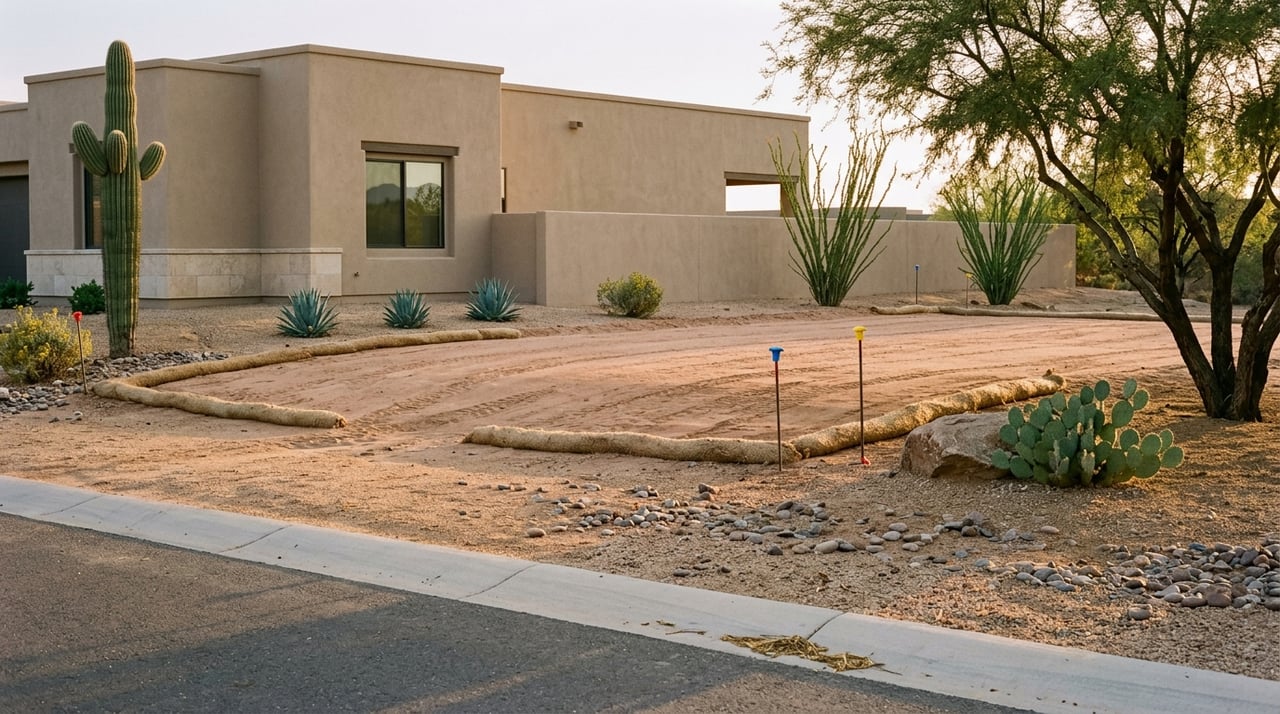
Scottsdale’s floodplain guidance says drainage facilities are generally the responsibility of the homeowner or HOA, even when located in a drainage easement. That makes site drainage, grading, downspout discharge, and erosion worth reviewing before your home goes live.
Even in a dry climate, water intrusion and drainage questions can affect buyer comfort. If you have had drainage corrections or erosion control work completed, keep those records ready.
ADRE tells buyers to review issues such as soil movement, cracking, and prior repairs, remodeling, or additions. In some situations, visible cracking or settlement concerns may justify review by an independent licensed engineer.
This is one area where documentation really matters. If you have already addressed an issue, your permits, contractor invoices, and inspection sign-offs can help explain the history clearly.
Scottsdale requires building permits for structural improvements, repairs, and demolition, and the city uses inspections to confirm work follows approved plans and codes. After final inspection, the city may issue a final acceptance letter or occupancy-related documentation.
For a seller, this can be one of the most important parts of preparation. If you completed work that required a permit, buyers may ask whether the work was properly finalized and closed out.
A smart repair plan usually starts with the items most likely to affect the transaction. In practical terms, that often means issues tied to safety, water intrusion, system function, or permit status.
You do not need to renovate everything. You need to decide which items are best fixed now, which should be documented and disclosed, and which may be reasonable to leave as-is and price accordingly.
Focus on issues like these before you list:
These are the kinds of items most likely to become buyer objections because they affect livability, cost, or risk.
Cosmetic issues are different. Worn caulking, touch-up paint, loose hardware, or minor finish wear may still matter, but they usually do not carry the same weight as a roof leak or failed AC system.
If your budget is limited, start with condition issues that can change the buyer’s view of the home’s overall care. Small visual improvements can still help, but they should come after the higher-priority repairs.
For many North Scottsdale sellers, a pre-listing inspection can be helpful. The Arizona home-inspection board notes that sellers may choose to have a home inspected before listing, and that can give you time to review issues before a buyer does.
This step may be especially useful if your home is older, has deferred maintenance, has an aging roof, or includes features like a pool, spa, septic system, or significant prior remodeling. It can also help if you want a clearer plan for what to repair, what to document, and what to disclose.
A general inspection is still a visual review, not a warranty. Since inspectors are generally not contractors, they may recommend that a roofer, plumber, pool specialist, or engineer review certain items more closely.
The smoothest inspection periods usually start well before your home hits the market. A simple step-by-step approach can make the process easier.
Start with the documents buyers are most likely to request:
ADRE specifically advises buyers to request permits, invoices, and documentation for prior work. If you have those files ready from the start, you can answer questions faster.
Walk the property with fresh eyes. Look at rooflines, exterior sealants, drainage paths, grading, downspouts, irrigation operation, and signs of erosion or water entry.
This step is especially important in Scottsdale because drainage responsibilities often fall on the homeowner or HOA. If something looks questionable, it is better to review it before a buyer flags it.
Some properties benefit from more than a general inspection. ADRE specifically highlights older roofs, pool or spa systems, sewer or water concerns, septic systems where applicable, and visible cracking or soil movement as areas where specialist review may be warranted.
If a concern is already visible, getting a professional opinion early can save time later. It also gives you a chance to decide how to address the issue before negotiations become more stressful.
If you remodeled, added features, or completed structural or system work, confirm whether permits were required and whether permitted work was properly closed out. Scottsdale notes that not every home-improvement project needs a permit, so it is worth verifying what applied to your project.
If your home is on a fringe parcel outside city limits, permit rules may fall under another jurisdiction such as Maricopa County. Knowing the correct authority and having final documentation in hand can reduce friction during escrow.
Once you understand the home’s condition, sort each issue into one of three buckets:
This approach keeps the process grounded and helps you avoid spending money in ways that do not meaningfully improve your position.
ADRE notes that approximately two-thirds of the City of Scottsdale is affected by the Environmentally Sensitive Land Ordinance, and some private land may need to remain in a natural state as NAOS. If your parcel is subject to those rules, past landscape or site changes may draw buyer questions.
Before listing, make sure you have records that show prior site work is documented and consistent with any applicable restrictions. This is a detail that can be easy to miss until a buyer starts asking for clarification.
Inspection reports often lead to follow-up questions, repair requests, or specialist evaluations. Buyers are usually reviewing deadlines carefully, and a slow or incomplete response can add tension fast.
When you already have invoices, maintenance records, permit documents, and a plan for known issues, you are in a stronger position to respond calmly. Good preparation does not guarantee a perfect inspection period, but it can make the process more efficient and much easier to manage.
Selling in North Scottsdale often comes down to reducing uncertainty. When you address key condition issues, organize your paperwork, and plan for likely buyer concerns, you give yourself a better chance at a smoother transaction with fewer last-minute surprises.
If you want a clear, detail-focused plan for preparing your North Scottsdale home for the market, Sheryl Smay can help you think through timing, strategy, and the steps that support a smoother sale.
Stay up to date on the latest real estate trends.



I am committed to guiding you every step of the way—whether you're buying a home, selling a property, or securing a mortgage. Whatever your needs, I've got you covered.